Programmes & Projects

We have developed a framework that combines regional and thematic programmes in synergistic ways.

Regional Programmes

Local knowledge and expertise are essential to provide capable on-the-ground support. To ensure an adequate standard of quality and commitment we focus our activities on selected regions. Our programmes are selected and evaluated on the basis of the following criteria: (1) requests for support, (2) our ability to provide added value in addressing local needs (3) an assessment as to whether or not our resources and capabilities are sufficient to make a contribution in terms of our mission.

Germany
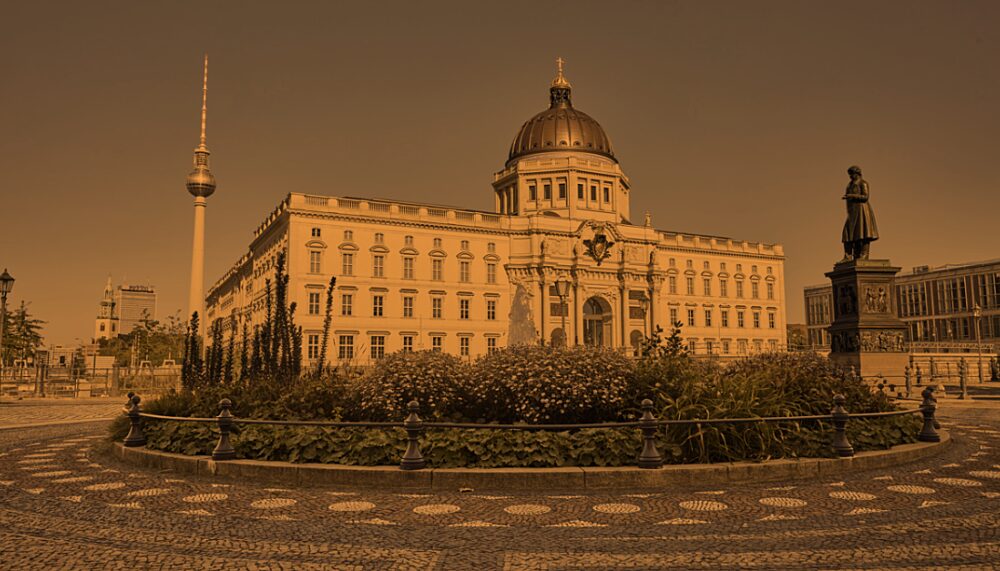
Germany has undergone a remarkable transition from war to peace and from an odious dictatorship to a globally recognised democracy. This enhances our organisational credibility with conflict actors around the world. While we acknowledge the success story of the German transition, we do not take it for granted. Peace faces challenges every day. As part of this programme we seek to address those challenges in Germany and contribute to a sustained culture of nonviolence in this country.

Online Portal for Children on Peace (frieden-fragen.de)
Handbook for Violence Prevention (Handbuch Gewaltprävention)
“Global Lernen”: A Tri-annual Journal for Teachers
SIPRI Yearbook 2012 (Summary in German)
Seminars and Training

Southeast Europe
Southeast Europe is a place where the regeneration of war-torn societies can be observed over a long stretch of time. Yet sustained peace in the region is far from guaranteed. Healing post-war grievances and trauma requires the inclusion of all war-affected actors. Building on our long-term engagement in this region, we can help provide the necessary support, build bridges and nurture solid and inclusive partnerships with relevant local and international actors.

Dealing with the Past in the Western Balkans
“Cultures of Remembrance in the Balkans and Germany: Documentation Workshop with War Veterans from Bosnia and Serbia” (in Cooperation with CNA)
“Transitional Justice and Reconciliation: Theory and Practice”

Caucasus
The wider Caucasus is a European region with frozen conflicts. There is a need, but also an opportunity, for breaking the ice through bottom-up and transnational initiatives. Through our long term engagement in workshop based dialogue, we have become a recognised facilitator in the region. We will further streamline our activities and expand our coordinating role to new communities and neighbouring countries. In this, we will focus on non-state actors, multipliers and young academics.

From Trialogue to Sustainable Dialogue. The Role of Identity and Memory in the Georgian-Abkhazian-South Ossetian Conflict(s)

Middle East and North Africa
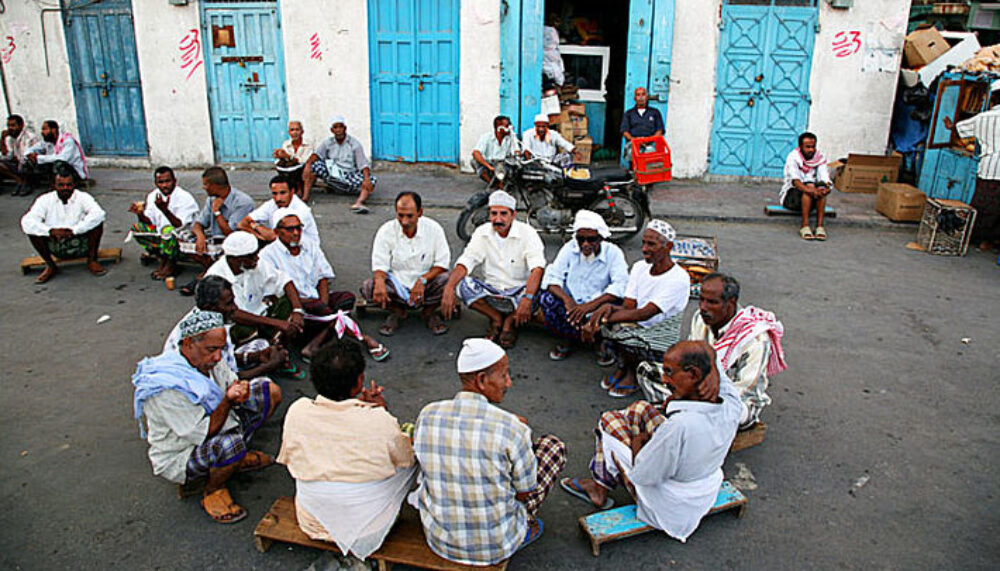
After the ‘Arab Spring’, this region has become an area of hope for change and prosperity. Yet the region remains prone to eruptions of violence. Within the Arab countries, reformers disagree about how to steer their agendas for change. The imbalance of power structures and the lack of experience in conflict transformation have led to requests for support by local actors. Based on our support for the national dialogue processes in Lebanon and Yemen, we will extend our activities to other Arab societies as well.

Supporting the National Dialogue in Lebanon
Supporting the National Dialogue Process in Yemen

South-East Asia
South-East Asia’s tremendous economic, social and political change was often accompanied by protracted and violent conflicts. Systemic, iterative and elicitive approaches to conflict transformation function well in the distinct regional cultures and traditions of South-East Asia. The concept of ‘insider-mediation’ offers a particularly promising approach. It supports bridge-builders embedded in the social and cultural context of their societies who enjoy widespread recognition.

Insider Mediators in Southern Thailand
Cultures of Governance and Conflict Resolution in Europe and India (CORE)

Latin America
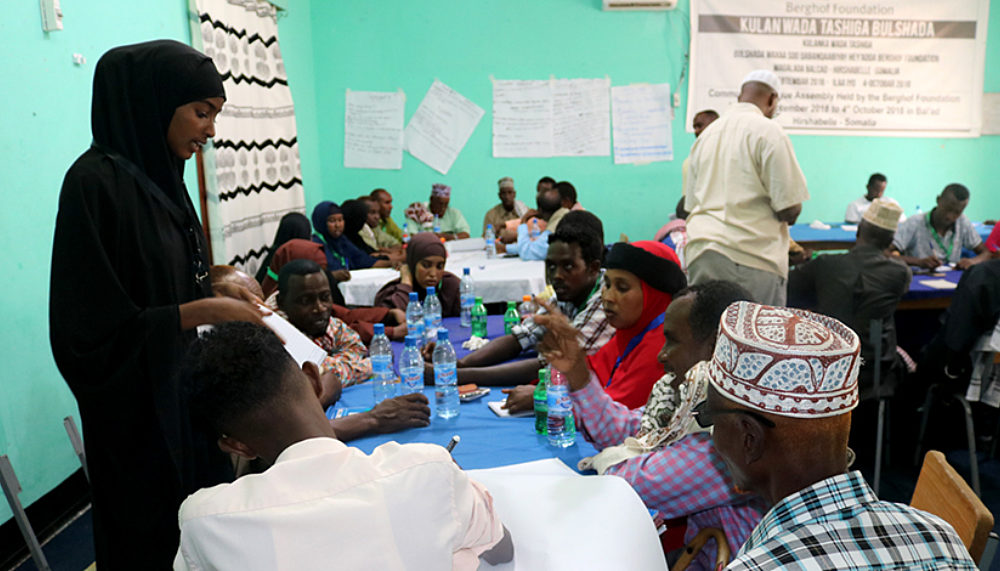
The situation in Latin America is characterised by a mix of lingering post-war violence and by new forms of social rupture related to organised crime and social fragmentation. Local governments, international organisations and regional groupings are not well- prepared to deal with it. Here, the Berghof Foundation can draw on its knowledge in systemic analysis, its expertise in mediation projects and its experience of providing hands-on support on the ground.

Capacity Development and Mediation Processes for Conflict Transformation in Bolivia
Advice to CERCAPAZ on Learning and Strategy in Colombia

Top
 

Thematic Programmes

Different conflict situations require specific knowledge and expertise. Thematic programmes reflect our assessment of requirements based on our regional activities. Being cross-regional, they allow us to learn lessons from our on-the ground experience and accumulate and communicate new knowledge, skills and resources. These should feed into our regional work and advance the field of conflict transformation.

Non-State Actors in Conflict Transformation
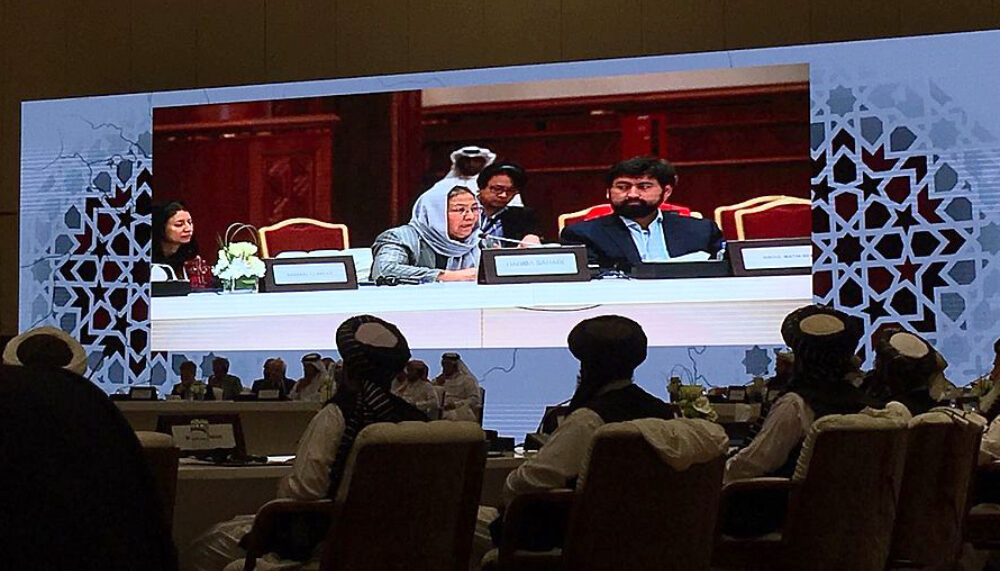
Because non-state actors have come to play a relevant role in today’s conflicts, we believe that no sustained transformation is possible without their inclusion. Engaging non-state actors has become a key component of all of our regional activities. Working with them can be challenging as they include civil society multipliers, as well as often ‘hard to reach’ members of resistance and liberation movements and diaspora organisations. Based on our experience and credibility as a private and independent organisation, we are well-positioned to expand our work on this relevant issue.

Resistance and Liberation Movements in Transition
Transitions from Armed to Nonviolent Resistance
Avoiding Conflict Relapse through Inclusive Political Settlements

Dialogue, Mediation, and Peace Support Structures
Because inclusive peace processes must be embedded in resilient and trustworthy institutions, the design and development of effective support structures matter. Our longstanding experience in this field in both theory and practice is invaluable. Using concepts of systemic analysis, our focus will be on national dialogues and mediation. When steered properly, support structures can help to build trust, as well as function as safety nets for peace processes and deadlock-breaking tools.

Peace Infrastructures – Assessing Concept and Practice

Reflection, Learning and Education
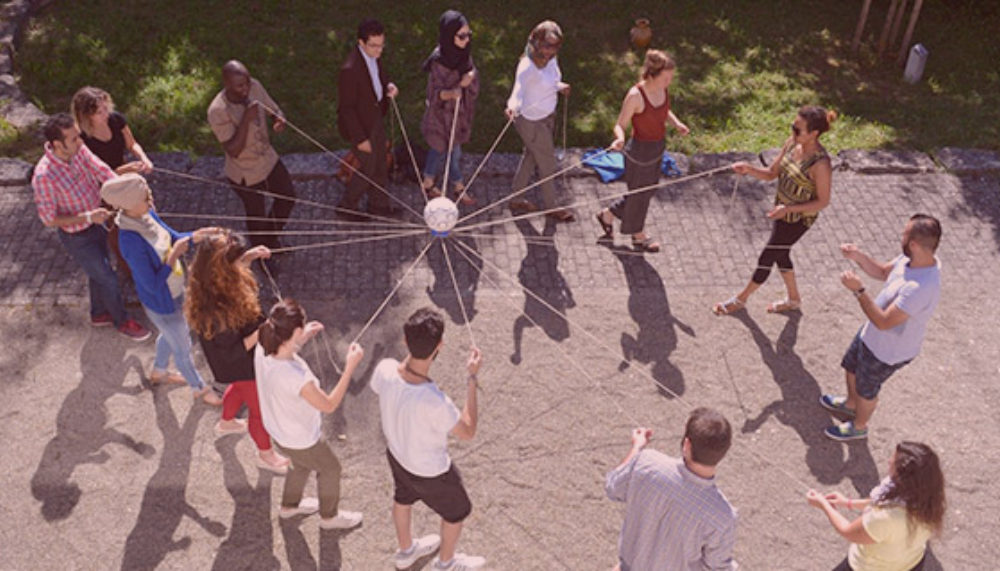
Because we see conflict transformation as an elicitive process, we understand it as a process in which conflict stakeholders and actors go through a mutual learning experience. Reflection, learning and education lie at the heart of our regional activities. At the same time they are highly relevant for our thematic programmes which integrate lessons learned from our field work with research, reflection and learning within our organisation. In this way, we hope to promote the field of conflict transformation.

Peace Counts
Berghof Handbook
Fostering a Civic and Nonviolent Education in Jordan
Peace Boat study trip

Top